



To sell on TikTok, you create a TikTok Shop seller account through TikTok Seller Center, verify your identity and business details, list your products, and promote them through short videos, LIVE streams, and creator partnerships. You can start with zero followers and there are no monthly or listing fees, TikTok earns its money through a referral fee on each sale.
TikTok selling is not available in Canada yet but it’s coming soon and we want to give you information in advance. At Ontario Business Central, we are always looking for new opportunities for Canadians to do something for themselves to earn extra money and to have fun doing it.
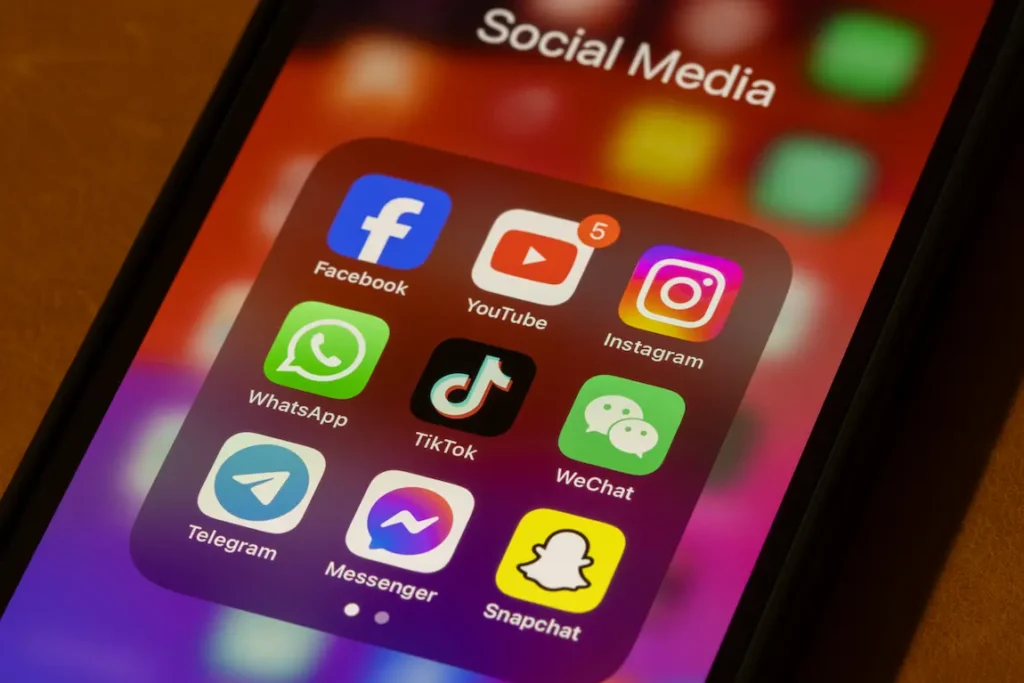
TikTok Shop’s native seller platform is not yet officially live in Canada as of early 2026, though it is expected to launch. This guide walks you through how selling on TikTok works, how to prepare your business now so you’re ready on day one, and how to run it as a side hustle.
What is TikTok Shop?
TikTok Shop is a commerce layer built directly into the TikTok app. Sellers list products, and those products appear in shoppable videos, LIVE shopping streams, a shop tab on the seller’s profile, and a browsable marketplace. Buyers can discover and check out without ever leaving the app which is exactly what makes it powerful for impulse, visual products.
The numbers explain the hype: TikTok Shop generated roughly $66 billion in global sales in 2025, and US sales more than doubled year-over-year heading into 2026. Notably, the platform favours the little guy or girl surveys found that the majority of brands shoppers discover on TikTok are small businesses earning under $15 million a year. Being small is a genuine advantage here.
What is Required to Sell on TikTok?
For markets where TikTok Shop is live (US, UK, EU, and others), the core requirements are straightforward:
- You must be at least 18 years old
- A government-issued ID (driver’s licence, passport, provincial ID)
- Business or tax documentation (a business registration, tax ID, or equivalent)
- A local bank account in a supported region for payouts
- A valid local address
There is no minimum follower count to sell as a business. (Creators who want to earn affiliate commissions promoting other people’s products typically need around 1,000 followers, that’s a separate program.)
The single most common reason applications get rejected isn’t the eligibility bar, it’s mismatched paperwork. The name and address on your ID, your bank account, and your business registration must match exactly. This is precisely where having a clean, properly registered business matters.
Do I Need to Set Up a Business to Sell on TikTok?
In most markets you can begin as an individual seller using personal ID, but a registered business is strongly recommended and often required for full seller features, higher limits, and brand verification..
You have two main paths, and which one you choose has real consequences as you grow:
- Sole Proprietorship (Business Name Registration) the simplest, lowest-cost way to start. It registers your operating name and gets you going quickly. Good for testing the waters as a side hustle. The trade-off: there’s no legal separation between you and the business, so you’re personally responsible for its debts and liabilities.
- Incorporation which creates a separate legal entity. This gives you personal liability protection (your personal assets are shielded if something goes wrong), a more credible and verification-friendly structure for a marketplace like TikTok Shop, potential tax advantages, and a business that can scale, take on partners, and outlast a single owner.
For most serious TikTok sellers, incorporation is the stronger long-term choice especially when you’re selling physical products to the public, where liability (faulty goods, returns, claims) is a genuine consideration. Incorporating up front means you never have to migrate your TikTok Shop, bank accounts, and supplier relationships from a sole prop to a corporation later.
For Ontario entrepreneurs, this is the smart move to make before TikTok Shop launches in Canada: get incorporated now so your documentation is ready and consistent on day one. Ontario Business Central can incorporate your corporation or register a sole proprietorship if you’re starting lighter with a dedicated agent reviewing every detail, so when you apply to sell, your paperwork matches the first time.
How Do I Set Up a TikTok Shop Account?
Once TikTok Shop is available in your market, the setup flow is:
- Go to TikTok Seller Center and register a seller account (you can link an existing TikTok account or use a unique phone/email).
- Verify with the SMS or email code you receive.
- Upload your identity and business documents — these must match exactly.
- Wait for approval (typically 3–5 days; document mismatches are the main delay).
- Link your bank account so you can receive payouts and process returns.
- List your products and start creating content.
Tip: if you already have a TikTok account with an audience, use it. Existing followers and organic content drive Shop discovery far better than a brand-new account.
What Items Can I Sell & Where Do I Find Them?
The categories that perform best on TikTok are visual, demonstrable, and impulse-friendly — typically priced under $50. The strongest performers are:
- Beauty and personal care (the #1 category by sales)
- Fashion and apparel
- Home and kitchen
- Food and snacks
- Wellness and supplements
Where to find products to sell, from lowest to highest startup cost:
- Print-on-demand (POD): You design, a partner prints and ships per order. Almost no upfront inventory cost. Great for a side hustle.
- Dropshipping: A supplier ships directly to the customer; you never hold stock.
- Wholesale: Buy in bulk at lower per-unit cost, hold inventory, ship yourself or via a fulfilment service.
- Handmade / your own products: Highest margin and most authentic for content, but the most labour.
A note on what you can’t sell: TikTok prohibits and screens out restricted categories before products go live. In the first half of 2025, TikTok declined 1.4 million seller applications for failing to meet its standards so review the prohibited-products policy before sourcing.
Before You Source: What You Can’t Sell on TikTok Shop
TikTok splits restricted goods into two buckets, and knowing the difference before you buy inventory saves you from a rejected listing.
Prohibited — a hard “no,” cannot be sold under any circumstances:
- Firearms, ammunition, weapons, and explosives
- Illegal drugs and drug paraphernalia
- Alcohol and tobacco
- Counterfeit, replica, stolen, or “grey market” goods (anything infringing someone else’s IP)
- Hazardous materials and recalled products
- Adult/sexual products and services
- Live animals and products from endangered species
- Homemade or improperly labelled food and supplements; certain baby items (e.g., beaded teethers)
- Anything promoting hate, discrimination, or violence
Restricted — allowed only with prior approval and documentation:
- Many beauty, skincare, supplement, and wellness products (often need certifications or test reports)
- Electronics with lithium batteries
- Precious-metal jewelry and certain collectibles
Restricted items require you to pass a category- or product-level qualification in Seller Center before listing. The takeaway: confirm which bucket your product falls into before you spend money sourcing it. When in doubt, check TikTok’s current Prohibited and Restricted Products policies in Seller Center they update with little notice.
How Do I Price My Products?
Price has to absorb every cost and leave a real margin. On TikTok, the fees stack up beyond the headline rate, so build your price around them:
- Referral fee: about 6% of the item price in the US for most categories (some jewelry is 5%); the UK and several EU markets are around 9%. New sellers often get a reduced promotional rate (around 3%) for their first 30 days.
- No monthly or listing fees in the US, and payment processing is baked into the referral fee.
- Creator/affiliate commissions (optional but common): you set these, usually 5–25%.
- Ads, shipping, and returns on top of that.
Industry analysts estimate that once you add creator commissions, fulfillment, ads, and returns, the real “all-in” cost can reach 30–45% of the sale price. That’s why experienced operators aim for products with a 60%+ gross margin so the SKU can absorb a creator commission and still profit. As a rule of thumb: know your landed product cost, add all platform and promotion costs, then price so you keep a healthy margin even after a 20% creator cut.

Can I Do This as a Side Hustle?
Yes, many sellers do. TikTok Shop has low barriers to entry: no follower minimum, no monthly fee, and sourcing models (POD and dropshipping) that require almost no upfront inventory. The realistic framing is to treat it as a discovery channel for a slice of your income, not a guaranteed full-time replacement on day one. Start small, test products, and scale what works.
How Much Money Do I Need to Start?
You can start lean. A realistic minimum:
- Business registration / incorporation: A one-time setup cost (OBC can quote this for Ontario).
- Product/inventory: Near $0 with print-on-demand or dropshipping; a few hundred dollars if buying wholesale to start.
- Content: Your phone is enough to begin; no studio required.
- Ads (optional): TikTok’s ad tools have minimums (around $50/day for a campaign, $20/day per ad group), but you do not need to advertise to start. Organic content and creator partnerships can drive your first sales.
In short: with POD or dropshipping, you can realistically launch for the cost of registering your business plus a small marketing budget, often a few hundred dollars or less.
What Can I Do to Ensure Success?
The sellers who win on TikTok share a clear playbook:
- Lead with content, not listings. TikTok is a content platform first. Tutorials, demos, and unboxings build trust fast. Nearly 70% of consumers find video-led shopping more engaging.
- Use LIVE shopping. Real-time demos and limited-time deals convert viewers into buyers.
- Partner with creators (affiliates). You don’t need a big ad budget if creators are promoting your product to their audiences.
- Pick high-margin, visual products that can absorb fees and commissions.
- Protect your ratings. Top-tier seller status generally requires high ratings (around 4.5+) and strong fulfillment rates, which unlock better visibility and lower return-shipping costs.
- Post consistently and volume matters. The algorithm rewards quality and quantity.
Getting Ready in Canada — the OBC Advantage
Because TikTok Shop isn’t officially live in Canada yet as of our blog publishing date, Ontario entrepreneurs have a rare head start. The single best preparation you can do today is get your business properly set up, so the moment the platform opens, your documents match and your application sails through. For most sellers building something they intend to grow, incorporating is the strongest foundation, it protects your personal assets, gives you a credible structure for marketplace verification, and means you won’t have to restructure later. Ontario Business Central can incorporate your corporation (or register a sole proprietorship if you’re starting lighter), set you up with the right structure, and make sure your paperwork is consistent and verification-ready so you can sell from day one instead of scrambling.
You see people scrolling on TikTok every day, why not get prepared to do something with it that you completely benefit from.
We know we are early to the game but TikTok is a great way to advertise and may be a game changer for you and your financial well-being.
Take some time to look up items you would like to sell and get them sourced and ready to go for when TikTok goes live here.
Our team is always here to assist and yes, they are real Canadian team members who are available by chat or phone Monday through Friday 9 AM to 5 PM EST.
inquiries@ontariobusinesscentral.ca
Toll-Free: 1-800-280-1913
Local: 1-416-599-9009
Fax: 1-866-294-4363
Office Hours: 9:00am – 5:00pm
Monday – Friday E.S.T.
Ontario Business Central Inc. is not a law firm and cannot provide a legal opinion or advice. This information is to assist you in understanding the requirements of registration within the chosen jurisdiction. It is always recommended when you have legal or accounting questions, that you speak to a qualified professional.
Related Posts

How To Identify The Right Business For You
How to Create a Successful Business Amidst Social Distancing

Are Non-PR Individuals Eligible to Start a Business in Canada?

The Essential Guide to Starting A Small Business

Choosing the Right Business Structure for Your Side Hustle (Side Hustle Series)